Knee · Dr. Jason Jones

Meniscal allograft transplantation

When a meniscus has been removed or is too damaged to repair, the forces across the knee rise by 200 to 400%, and cartilage can break down quickly. For active people under 55 without arthritis, a donor meniscus can replace the cushion before that damage is done.

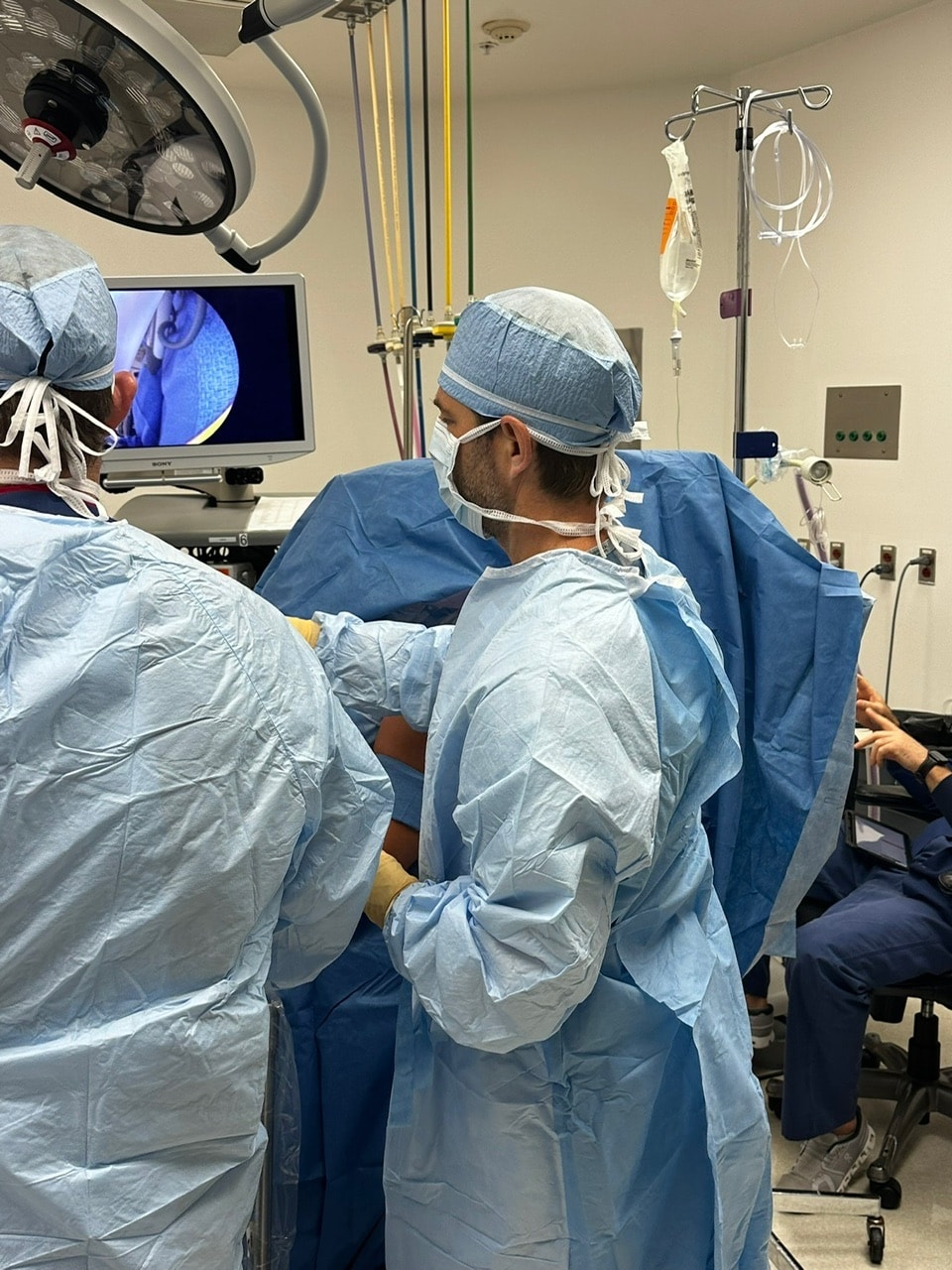
Dr. Jason Jones at the operating table, the arthroscope view on the screen beside him

The evidence

The numbers behind a transplant

more force across the knee once a meniscus is gone
400%Up to
years old and physically active: who a transplant is for
55Under
that meniscal transplants have been performed
20+Years

Why the meniscus matters

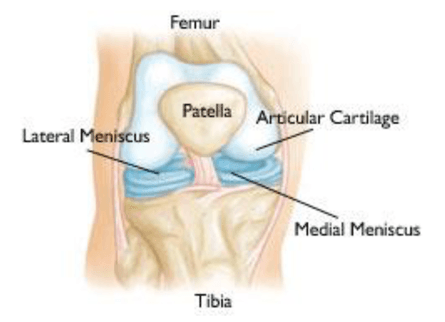
Each knee has two wedge-shaped menisci, tough and rubbery shock absorbers between the thighbone and shinbone that cushion and stabilize the joint. When a meniscus is badly damaged or removed, the cartilage protecting the knee begins to wear. As it wears away and becomes rough, movement becomes painful. This is osteoarthritis.

The goal of meniscal transplant is to replace the cushion before the cartilage is damaged. The donor tissue supports and stabilizes the knee and relieves pain. The hope is that it also delays arthritis, although long-term results are not yet available. If you already have arthritis, a partial or total knee replacement may be the better option.

Illustration of the front of a knee, labeling the femur, patella, articular cartilage, lateral and medial menisci, and tibia

Who is eligible

The criteria are strict, which is why the procedure is relatively uncommon even though it has been performed for more than 20 years:

  • Younger than 55 and physically active
  • Missing more than half of a meniscus from previous surgery or injury, or a meniscus tear that cannot be repaired
  • Persistent activity-related pain
  • Stable ligaments and normal alignment
  • No or minimal knee arthritis
  • Not obese

The donor meniscus

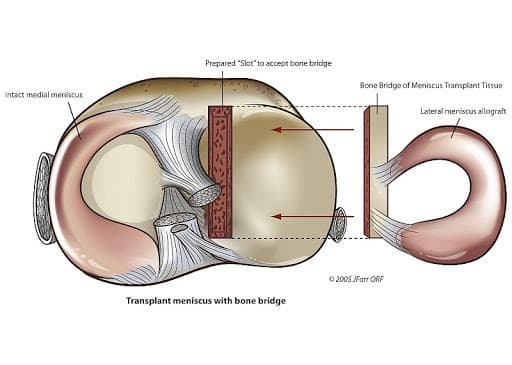
Healthy meniscus tissue from a human donor is frozen, sized, tested and stored. This tissue is called an allograft. Correct sizing is one of the most important factors in success, and each graft is matched by size to the patient.

Illustration of the top of the shinbone with a slot prepared beside the intact medial meniscus, and a lateral meniscus allograft on a bone bridge ready to slide into it

The surgery

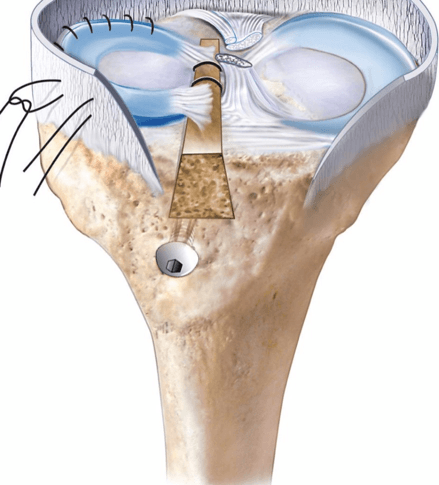
The surgery is arthroscopic, as an outpatient or inpatient, usually through a 2 to 4 inch incision and a few small portals. The new meniscus is anchored into the shinbone to stabilize it, and more stitches sew it into place.

Complications are uncommon. The most common are stiffness, reoperation and incomplete healing. Other risks include bleeding, infection, and nerve or blood vessel injury.

Illustration of a meniscus transplant anchored into the top of the shinbone through a bone tunnel, with stitches along its outer edge

Recovery

The first weeks protect the graft while it attaches firmly to the bone. Physical therapy then restores range of motion and strength: gentle stretches first for flexibility, with strengthening exercises added gradually as healing progresses.

  1. The first 4 to 6 weeksA knee brace and crutches, while the graft attaches firmly to the bone.
  2. Once swelling settlesPhysical therapy begins, with gentle stretches for range of motion.
  3. At least 2 weeksMost patients are off work.
  4. 2 to 3 monthsMany patients with active jobs return to work.
  5. 6 to 12 monthsFull release is typically given.

Outcomes

Success depends on the condition of the knee at surgery, correct sizing, surgical technique and commitment to rehabilitation. Across studies, between 21% and 55% of transplants fail within 10 years, and transplants on the outside (lateral) of the knee do better than on the inside (medial). For carefully selected patients, meniscal transplant can provide significant benefits.

Your surgeon

Dr. Jason Jones

MD

Dr. Jones is a fellowship-trained sports medicine surgeon specializing in the knee and shoulder. He has performed several thousand knee and shoulder procedures, focused on joint preservation and minimally invasive surgery.

  • Fellowship, Lenox Hill Hospital, New York
  • Assistant team physician, New York Jets and New York Islanders
  • Complex shoulder training in Nice, France, with Pascal Boileau
  • Chairman of Orthopedics, Saint Thomas Hospital

Dr. Jason Jones smiling, arms folded, in his office

Talk to Dr. Jones about your knee.

Request an appointment