Patellar tendon
The central portion of your own patellar tendon is taken, with plugs of bone from the kneecap and tibia. This needs a slightly longer incision below the kneecap.
Knee · Dr. Jason Jones
An ACL injury is an over-stretching or tear of the anterior cruciate ligament, one of the four ligaments that keep the knee stable. When the knee keeps giving way, reconstruction replaces the torn ligament with a graft, as an outpatient procedure.
At a glance
The graft
The new ligament is tendon with a plug of bone on each end, which anchors it in the knee. There are several graft options, and Dr. Jones will choose the one best for you.
The central portion of your own patellar tendon is taken, with plugs of bone from the kneecap and tibia. This needs a slightly longer incision below the kneecap.
Donor tendon with bone plugs, harvested and stored in sterile conditions and specially processed, so no tissue is taken from your own knee.
The ACL is a strong fibrous tissue connecting the femur to the tibia. A partial or complete tear makes the knee less stable, and it can feel as though it is about to give out.
Treatment may be operative or non-operative. Right after the injury, most patients are advised to stay off the leg, elevate it, apply ice and take an anti-inflammatory such as ibuprofen. Physical therapy strengthens the surrounding muscles, and a brace may be fitted for activities that stress the knee.
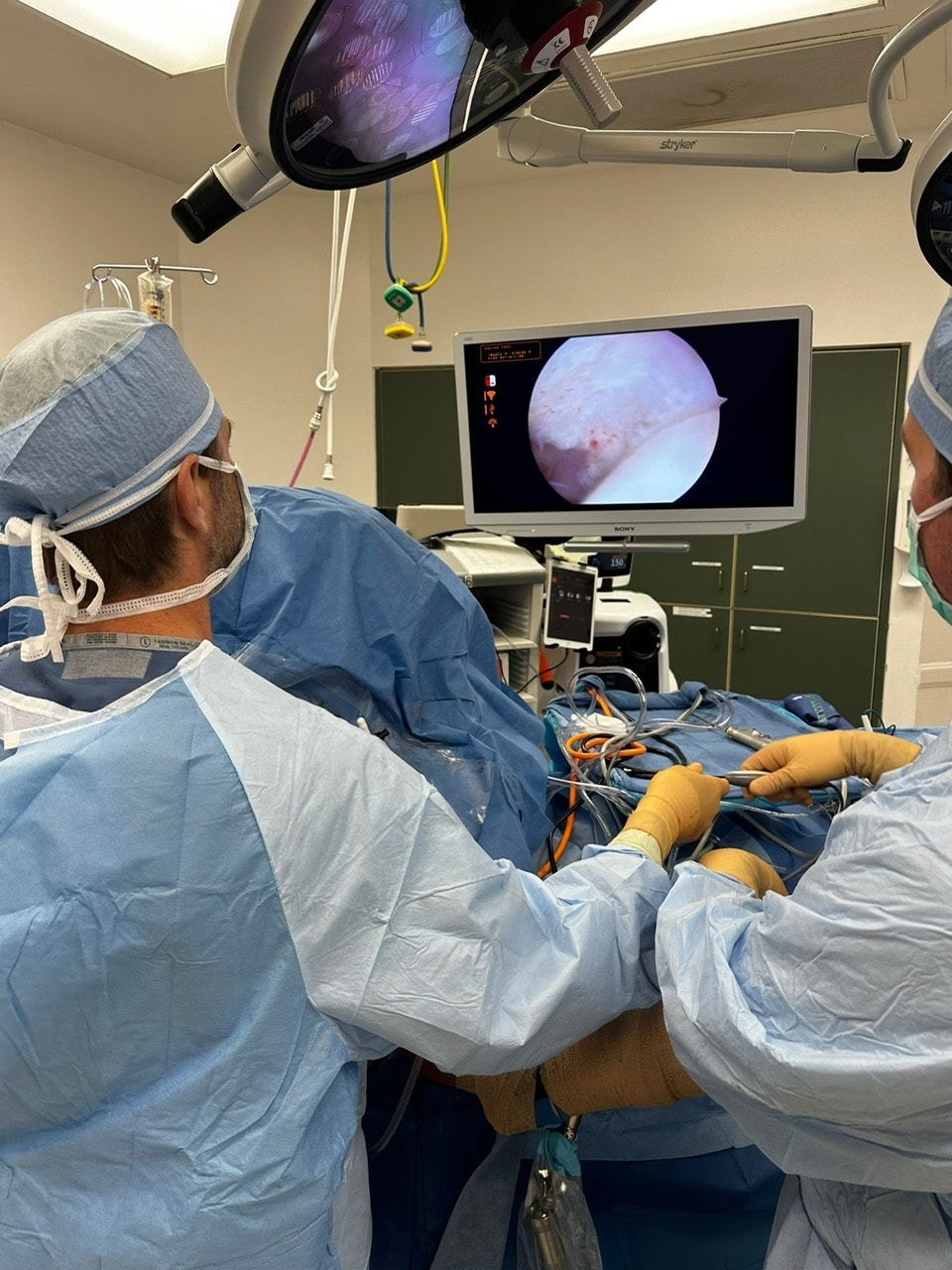
The surgery is arthroscopic, done through small incisions with a camera.
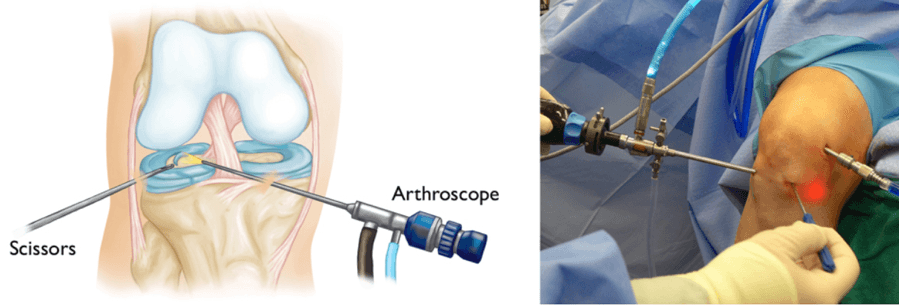
ACL surgery is an outpatient procedure, and therapy starts within days. Once formal therapy ends, strengthening continues at a gym or health club for another three to six months.
A female basketball player is five times more likely to suffer a non-contact ACL tear than a male player at the same level. Anatomical and physiological differences, including a wider pelvis and greater Q angle, a smaller intercondylar notch, greater knee flexibility, foot pronation and the effect of estrogen on ligament laxity, all place more rotational force on the knee.
Coordination and landing technique matter as much as strength. Female athletes tend to land stiff-legged with the knees coming together, and training that changes this reduces knee injuries. Four ways to reduce ACL injuries in your daughter:
Generally between 60 and 100 minutes.
Yes, supplemented by a nerve block to reduce pain when you wake up.
No. ACL surgery is an outpatient procedure.
At least two weeks, and longer if your work involves heavy lifting, heights, running or jumping.
Your surgeon
MD
Dr. Jones is a fellowship-trained sports medicine surgeon specializing in the knee and shoulder. He has performed several thousand knee and shoulder procedures, focused on joint preservation and minimally invasive surgery.

Before your visit
Also in Knee
We call you back within one business day.
Request an appointmentRather talk it through?
Call (615) 329-2520