Hip · Dr. Tania Ferguson

Hip dysplasia and periacetabular osteotomy (PAO)

In hip dysplasia the socket is too shallow to cover the ball of the hip, which concentrates force on the rim and can lead to early arthritis. Caught before the cartilage is damaged, PAO surgery repositions the socket and preserves your own hip.
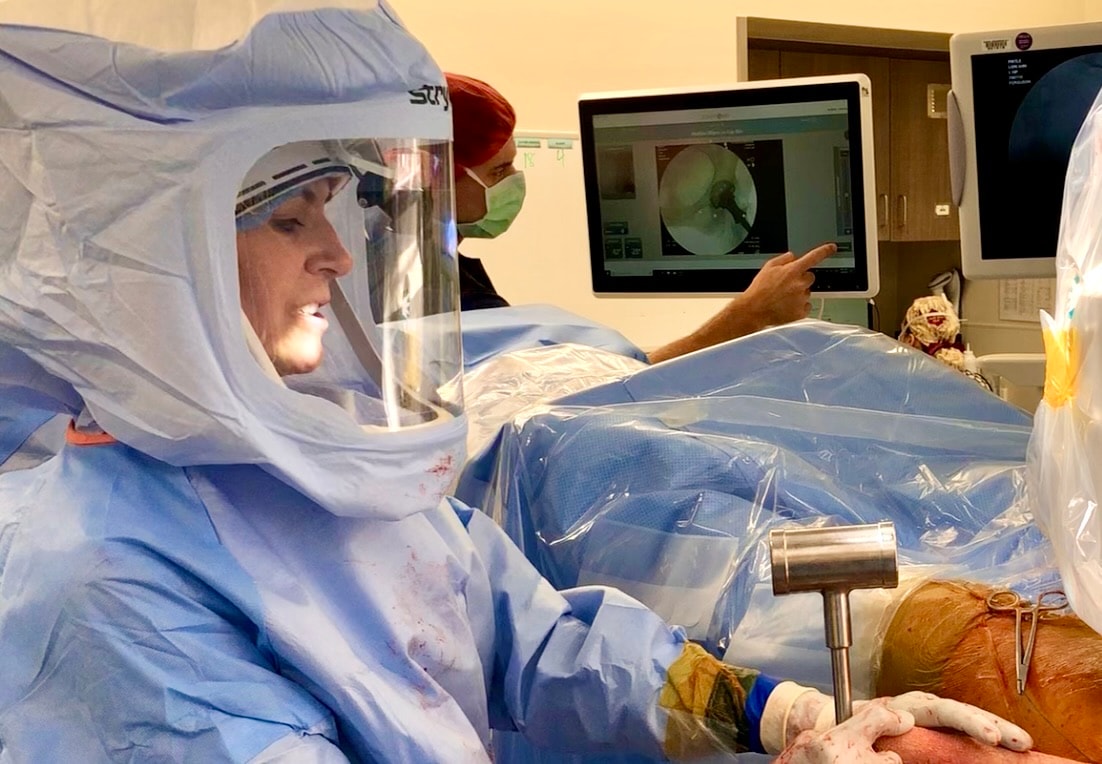
Dr. Tania Ferguson in a surgical helmet during hip surgery, as a colleague points to the live X-ray on the monitor

The evidence

Your own hip, for the long run

that 80 to 90% of hips may last after an optimal PAO, some for a lifetime
20+Years
in the pelvis free the socket, so it can be turned to cover the ball of the hip
4Cuts
of the time, the ball of the hip is also recontoured in the same surgery
70%Tailored

Preserve, don't replace

Why preserve the hip instead of replacing it

Hip replacement is an excellent and improving option once the cartilage has worn out. When the cartilage is still healthy, preserving it with PAO is the better option.

Living tissue

Your own hip is living tissue that maintains itself, while an artificial part inevitably wears with time.

Your own feel

The joint keeps its sensation, and you can stay as active as you like.

No implant to outlive

Artificial hips can wear and loosen over time, which is more likely in younger, active adults who may outlive the implant and need revision surgery.

Results that last

The long-term results after PAO can be better than a hip replacement would have given.

Not a second choice

Osteotomy is not a second choice for patients too young for a replacement.

What hip dysplasia is

Hip dysplasia covers a broad spectrum of abnormal shapes of the ball-and-socket hip joint, which can cause abnormal mechanics in the hip. Left untreated, these abnormalities may result in early arthritis. Most commonly, the term describes the shape of the acetabulum, or socket.

  • In a normal hip the socket covers the ball (femoral head) and is flat in orientation, so the head stays stable and centered and weight is spread evenly across the socket.
  • In hip dysplasia the socket is usually shallow and slopes upward, and doesn't cover the femoral head. Force concentrates at the rim and the hip can become unstable. This may tear the labrum and damage the cartilage, leading to irreversible cartilage loss and arthritis. The rim itself may fragment.

The range is wide. At one end is a congenitally dislocated hip, where the head is completely uncovered. Others have a shallow socket that gives some, but not enough, coverage. Some people have dysplasia but feel no pain until adulthood, when the cartilage has already broken down. Sometimes the thigh bone is abnormally shaped too and needs surgery as well. Treatment depends on each person's anatomy and the stage at which they seek care.
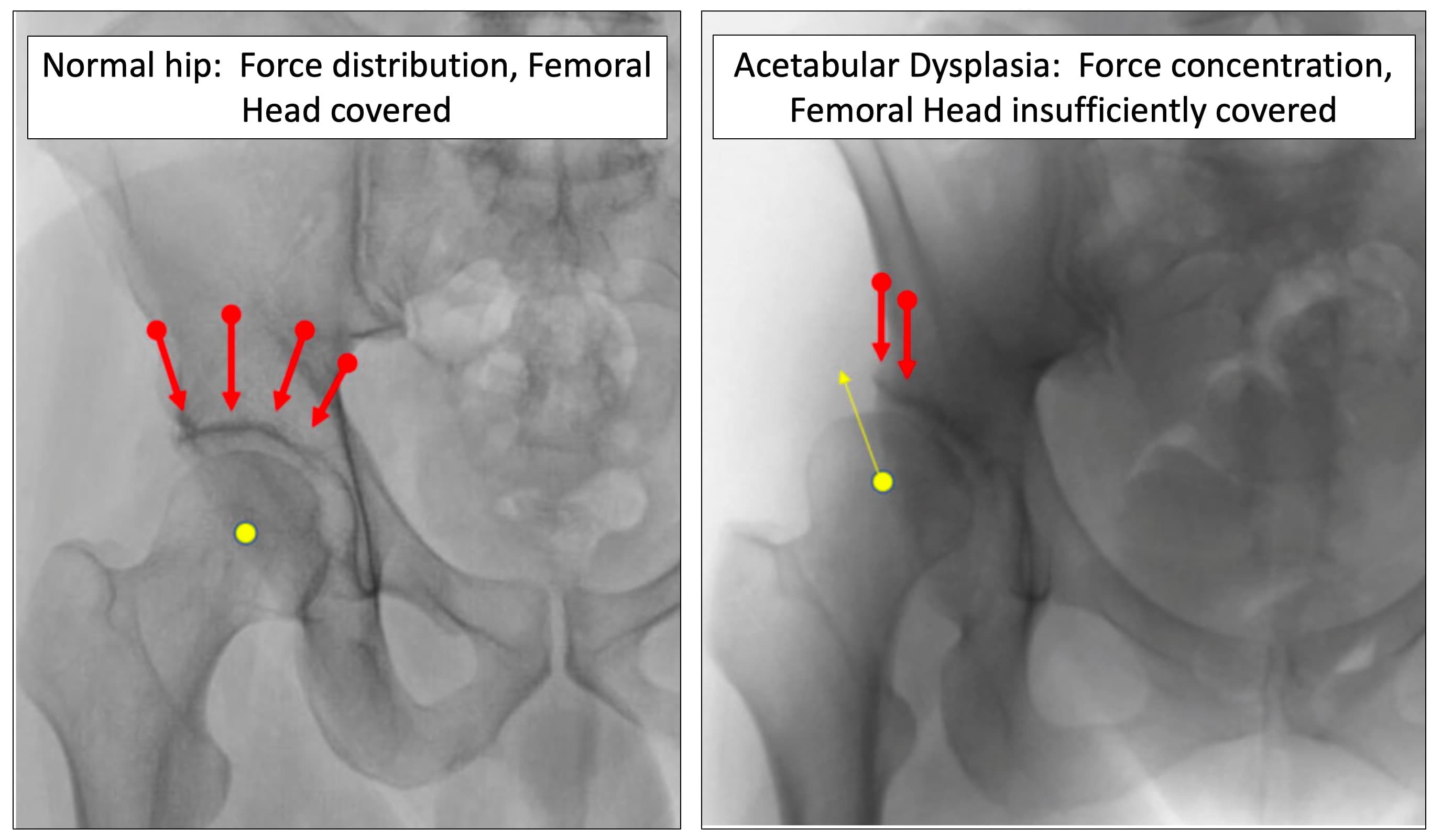
Two X-rays side by side. Left, a normal hip, with arrows showing force spread across a socket that covers the ball. Right, a dysplastic hip, with force concentrated at the rim of a shallow socket that leaves the ball insufficiently covered

Symptoms

Some patients feel pain in the muscles around the hip, particularly the gluteus medius and minimus (the abductors). When the socket is too shallow to support the head, these muscles work extra hard to keep it stable. They fatigue, causing pain and weakness on the side and back of the hip.

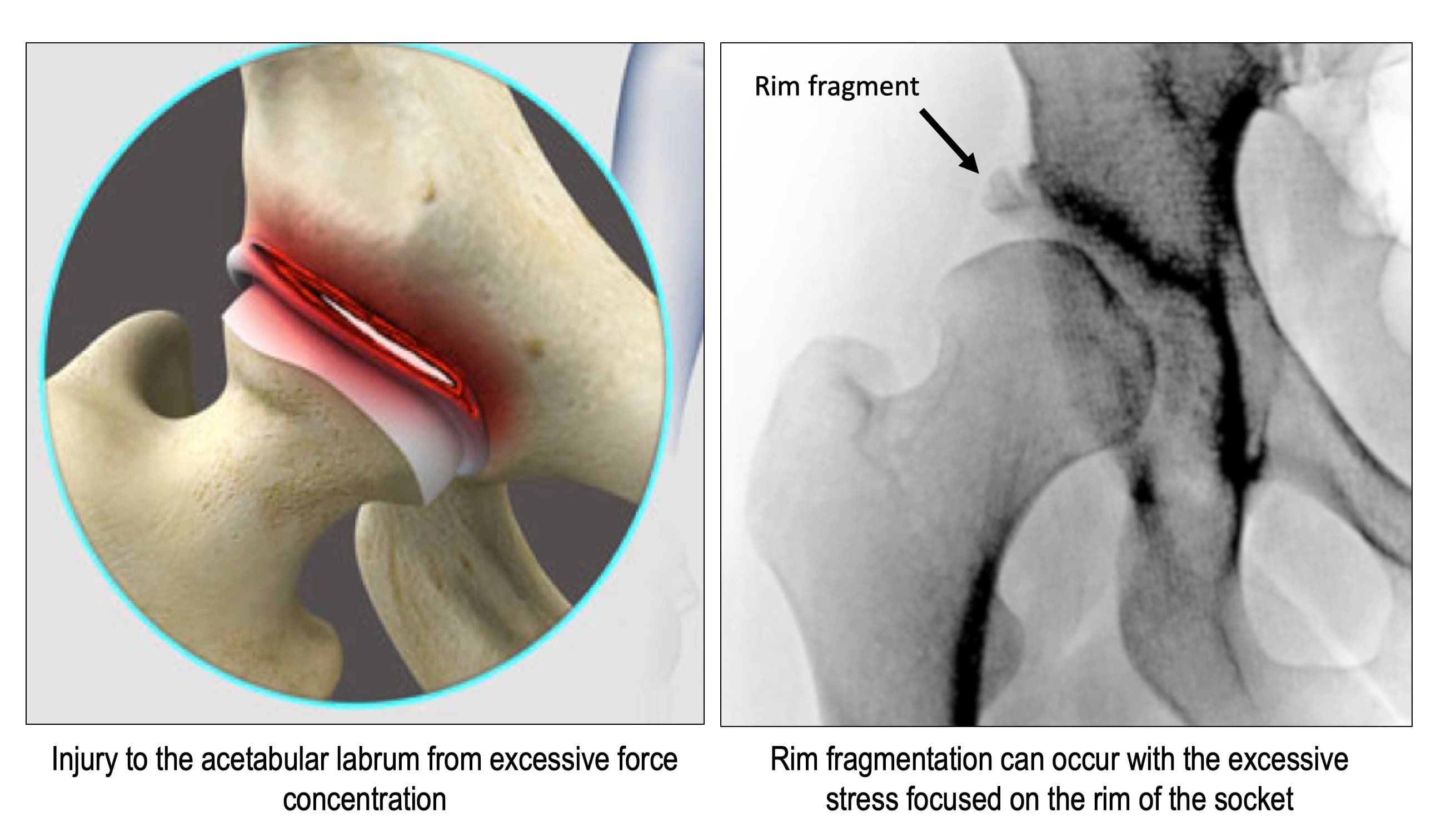
Others feel pain in the front of the hip or the groin. This can come from an injured labrum, or from fragmentation of the socket rim, both caused by instability and force concentrated on the edge of the joint.
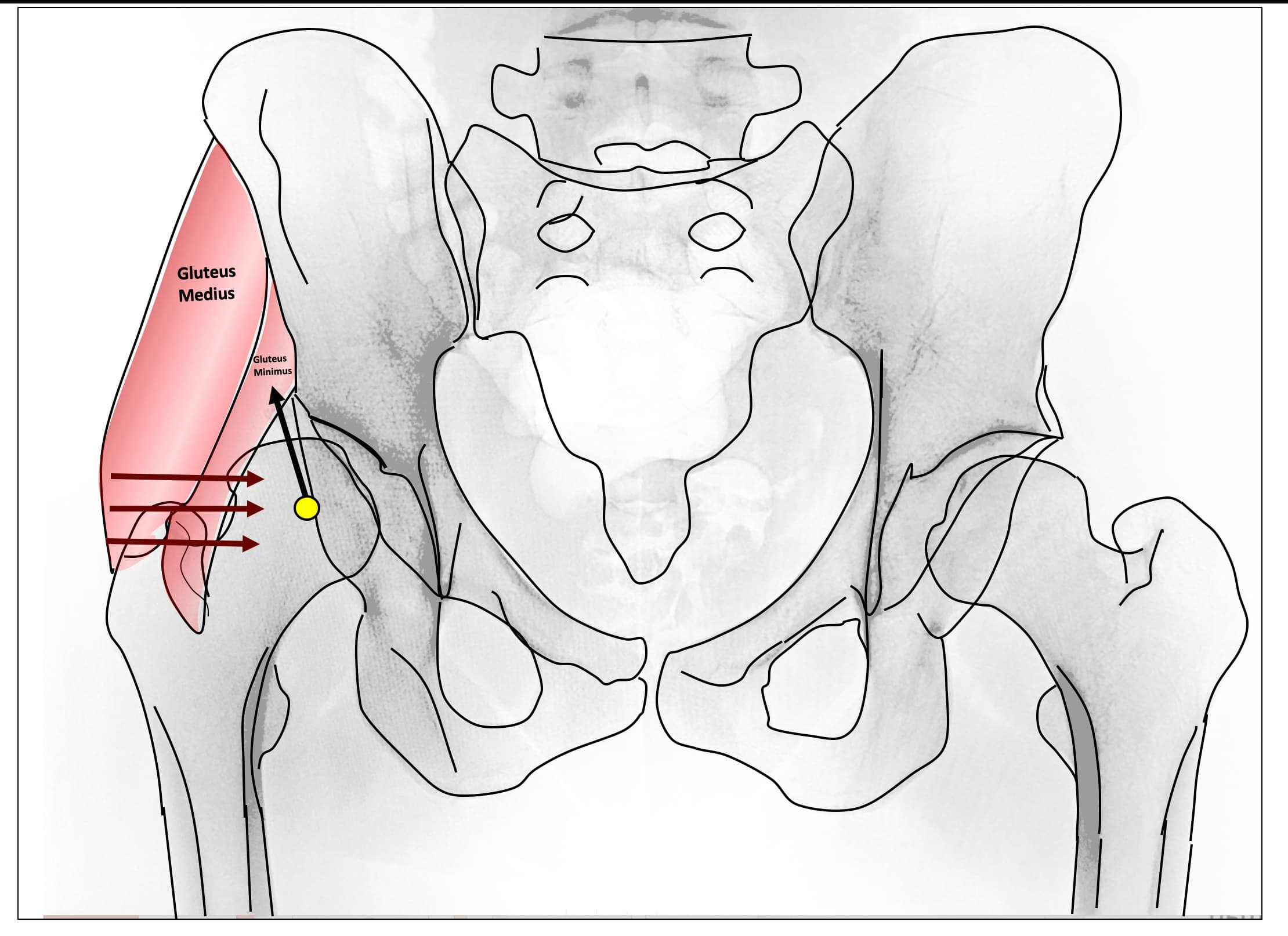
A drawing over an X-ray of the pelvis, showing the gluteus medius and minimus working across a dysplastic hip, with arrows marking the direction of force
Left, an illustration of an injured acetabular labrum. Right, an X-ray with an arrow pointing to a fragment broken off the rim of the socket

Treatment options

The treatment plan depends on how severe the dysplasia is and the condition of the cartilage and labrum when symptoms start.
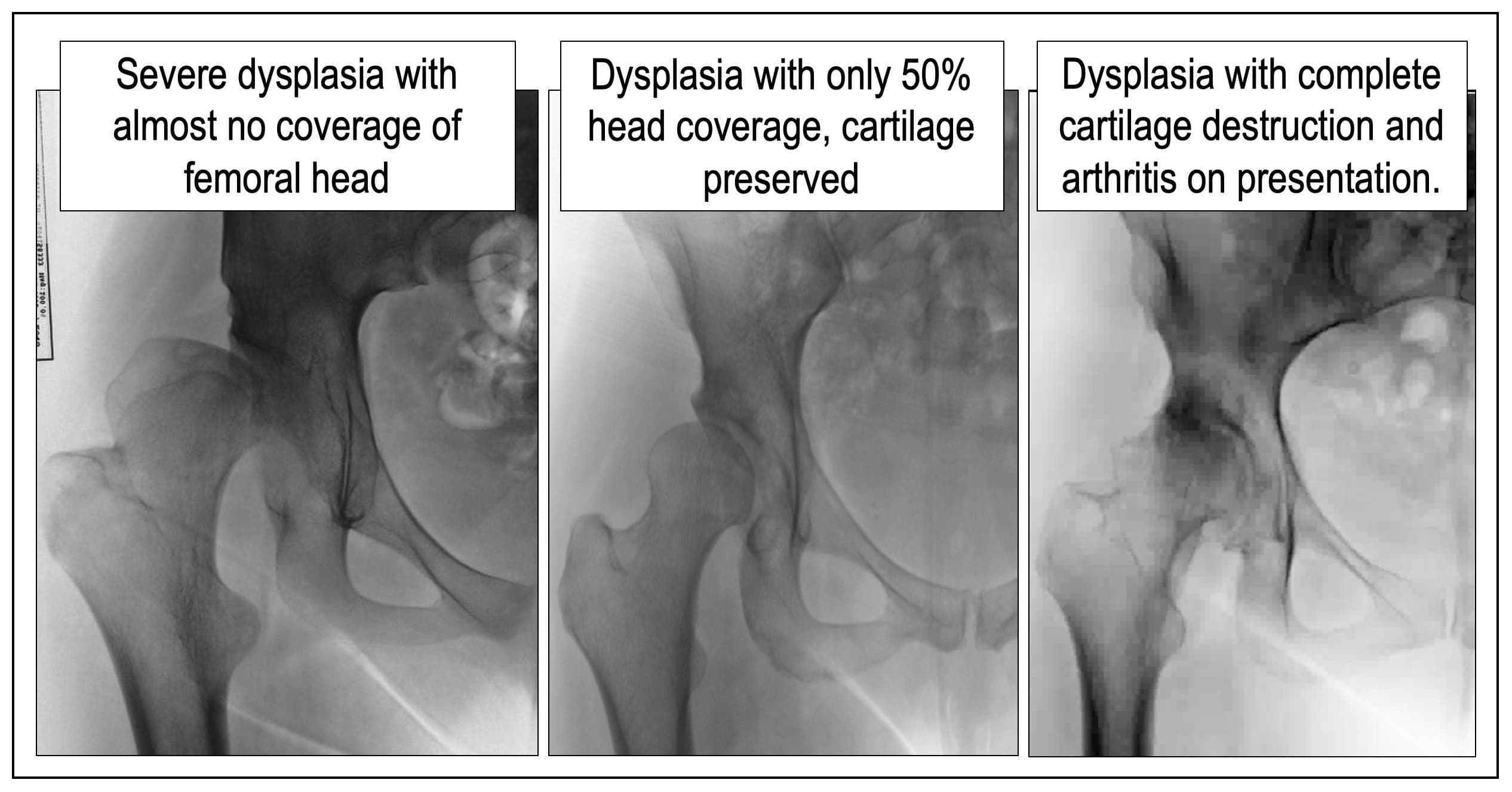
  1. 01Periacetabular osteotomy (PAO)When found before the cartilage is irreversibly damaged, PAO is the preferred treatment. The socket is repositioned to cover the femoral head, spreading the forces of weight-bearing across the whole cartilage lining instead of the rim. In the right conditions it may prevent hip arthritis for more than 20 years.
  2. 02Total hip replacementMany patients come in after the cartilage has degenerated beyond repair. In these cases hip replacement is the right treatment.
  3. 03Hip arthroscopyIn rare cases, an arthroscopic procedure may help the pain of a labral tear with very mild dysplasia.
Three X-rays of dysplastic hips: one with almost no coverage of the ball, one with about half coverage and the cartilage preserved, and one with the cartilage destroyed by arthritis

What PAO surgery involves

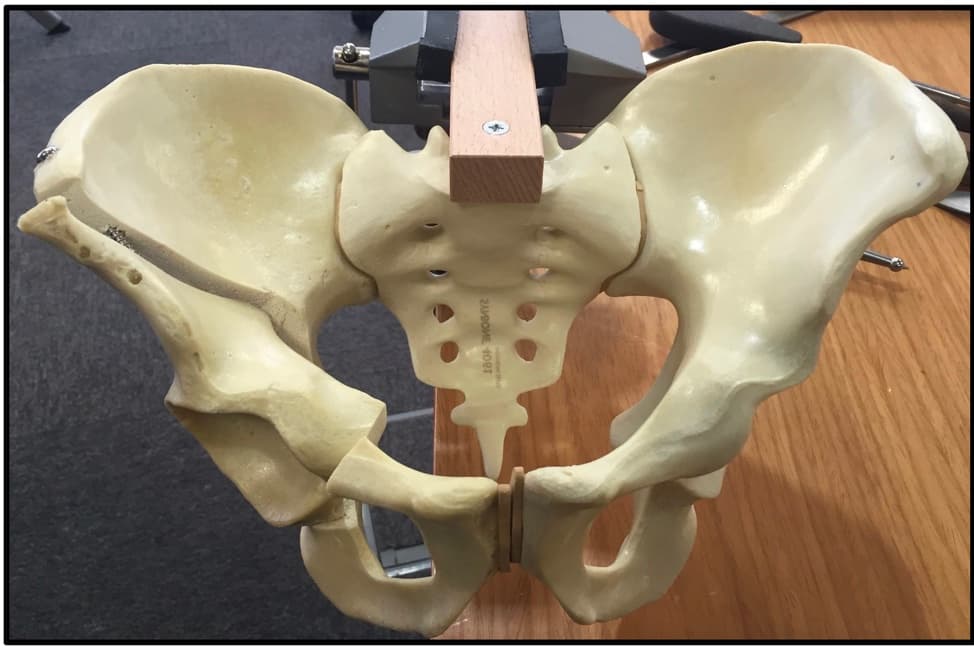
Dr. Ferguson makes four cuts (osteotomies) in the pelvic bone around the socket, freeing it to be repositioned. The socket is moved to cover the femoral head properly and bring its roof to a horizontal position, then secured with screws. This improves stability and unloads the labrum and the cartilage at the edge of the joint.
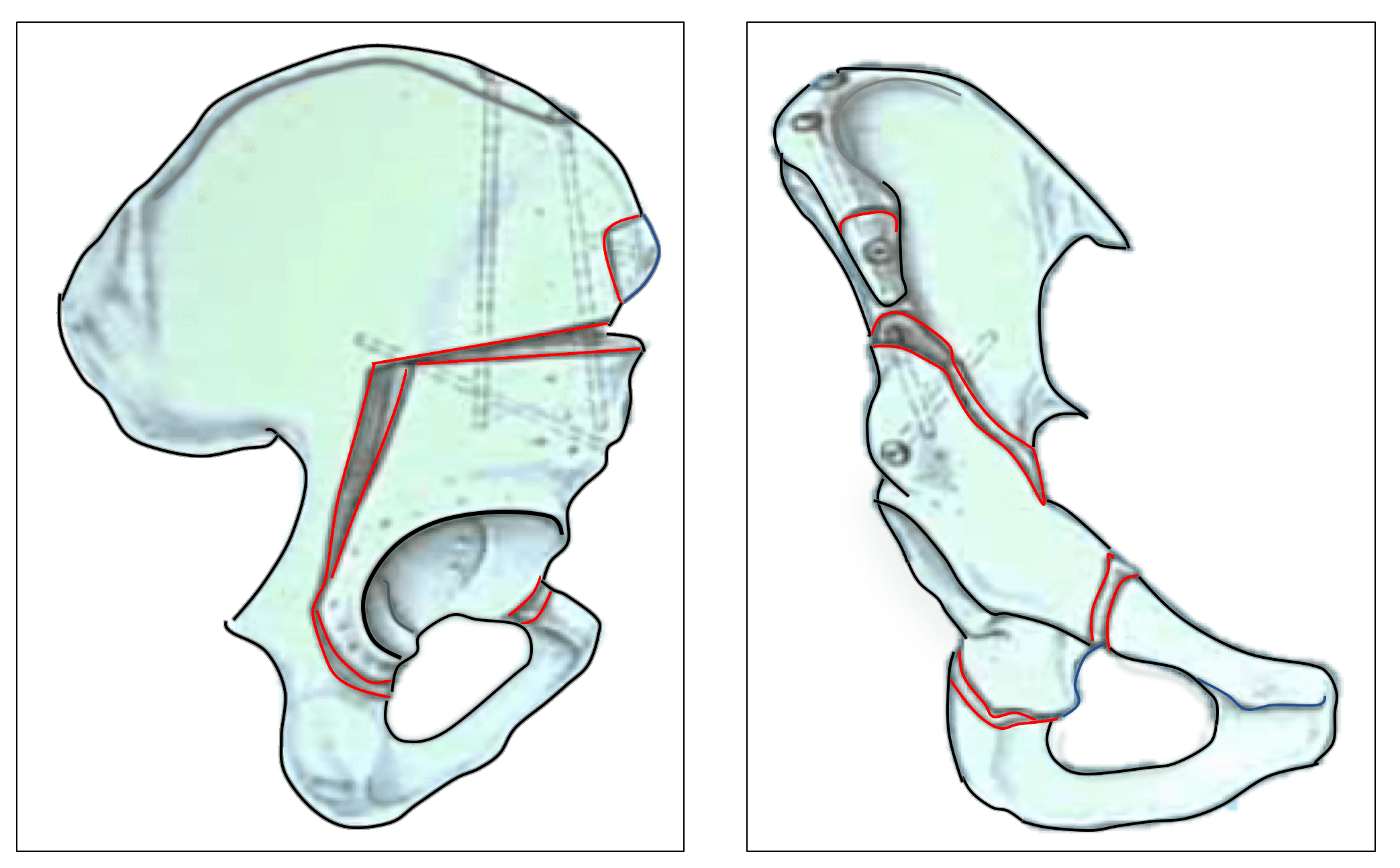
Two drawings of the pelvis, from the side and from the front, with red lines marking the cuts around the socket and the screws that hold it in its new position
A model of the pelvis on a stand, with cuts made around one hip socket

Each hip is unique

Every dysplastic hip is different, so each surgery is tailored. About 70% of the time the femoral head has also grown into an abnormal shape and is recontoured during surgery. The labrum is often injured and reattached, and occasionally the top of the femur needs its own osteotomy.
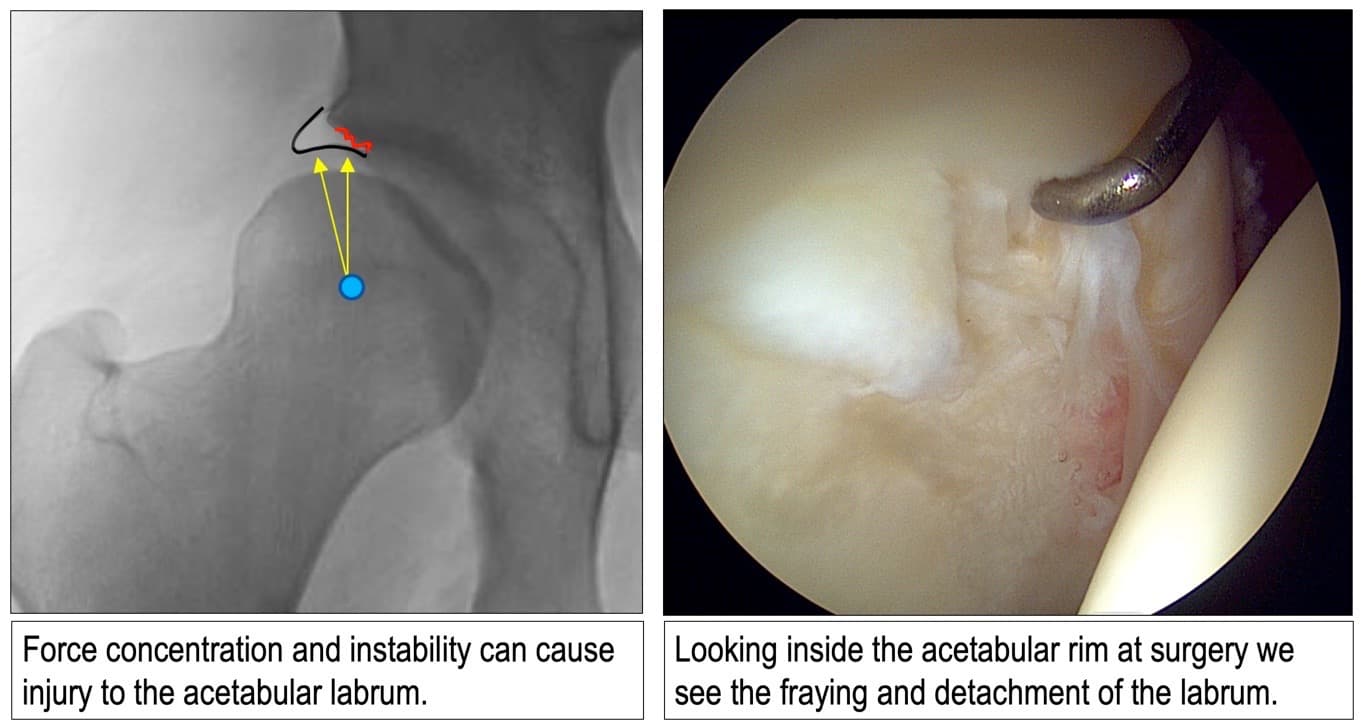
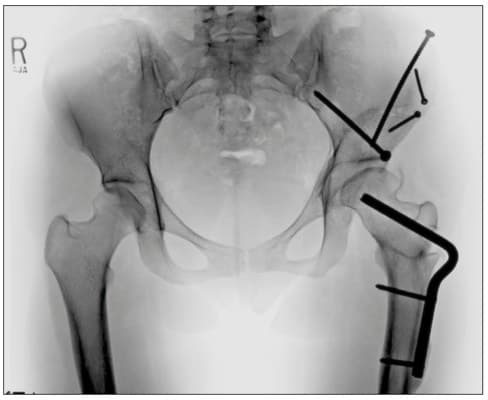
Left, an X-ray of a dysplastic hip with arrows showing force focused on the rim of the socket, where the labrum is injured. Right, an arthroscopic view inside the hip showing a frayed, detached labrum
X-ray of a pelvis after surgery, with screws holding the repositioned socket and a plate and screws in the top of the femur

Outcomes

In young hips without early cartilage damage, PAO is a successful operation for preserving the joint. Recent data indicate that 80 to 90% of hips after an optimal PAO may last 20 years or more, and some patients go a lifetime without a hip replacement.
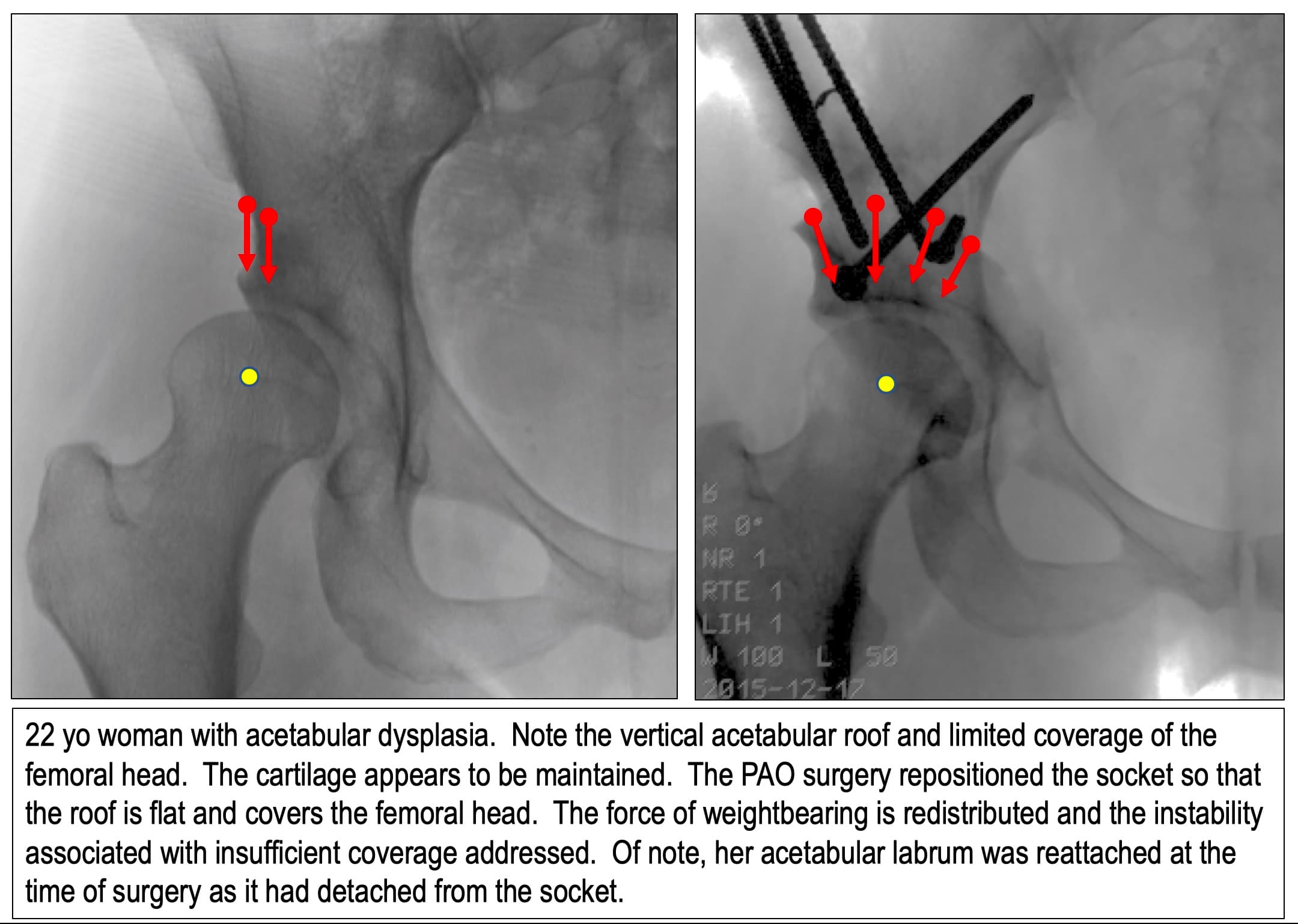
Two X-rays of a 22-year-old woman's dysplastic hip. Left, before surgery, a steep socket roof covers little of the ball. Right, after PAO, screws hold the socket flat over the ball

When the hip can't be preserved

When dysplasia is found late and the joint can't be preserved, Dr. Ferguson's anterior approach hip replacement is particularly effective for dysplastic hips, because image-guided navigation lets her correct the deformity precisely. The approach preserves the muscles, allowing an early return to function and to your activities.
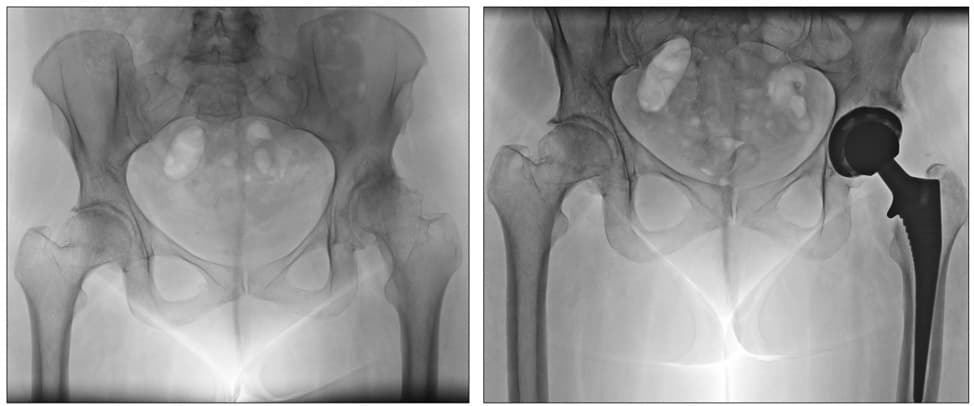
Two X-rays of a pelvis. Left, both hips with dysplasia and arthritis. Right, one of the hips replaced with a total hip replacement

What to expect with PAO

  • Surgery is at St. Thomas Midtown in Nashville. Family members can stay in the room with you.
  • Hospital stays average four nights, ranging from three to seven. Many patients travel to Nashville, and the office helps with arrangements.
  • Surgery takes four to eight hours, depending on what is done alongside the PAO.
  • General anesthesia is combined with an epidural catheter that stays in for two days, which has greatly reduced the need for IV pain medication.
  • Blood lost during surgery is returned with a cell saver. About 30% of patients need a transfusion afterwards.
  • Pain is managed with a multimodal plan: an anti-inflammatory, Tylenol, cold therapy and oral pain medication, usually needed for about two weeks after discharge. The GameReady cold compression device is used in the hospital and at home for two weeks.
  • Physical therapy starts the day after surgery. Weight on the hip is limited to 30 lbs for 10 to 12 weeks while the bone heals, starting with a walker and moving to crutches after a week or two.
  • A continuous passive motion machine is used from the day after surgery and at home for two weeks. There are some limits on hip flexion, and on rotation if the labrum was repaired.
  • Compression stockings for three weeks and aspirin for six weeks help prevent blood clots. An anti-inflammatory for three weeks lowers the risk of bone forming in the muscles.
  • Women have a bikini-line incision with no stitches to remove. Men may have a few stitches removed 10 days after discharge, which can often be arranged closer to home.

Every surgery is individualized, so your restrictions and precautions will be specific to you. The team goes through them with you before you leave the hospital.
Five nurses in scrubs smiling together on a hospital ward

Your surgeon

Dr. Tania Ferguson

MD, MAS

Dr. Ferguson is a surgeon focused exclusively on the hip and pelvis. She trained under Joel Matta and Jeffrey Mast, two of the world's foremost experts in open hip surgery.

  • Recognized worldwide for hip preservation and acetabular reconstruction
  • Teaching the anterior approach to surgeons since 2005
  • Founding member, Anterior Hip Foundation
  • Trustee, AO Foundation
Dr. Tania Ferguson standing by a brick wall in her practice

Before your visit

A few minutes with these now, and you walk in knowing what to ask Dr. Ferguson.

Talk to Dr. Ferguson about your hip.

Request an appointment